
Table of Contents
1. Introduction
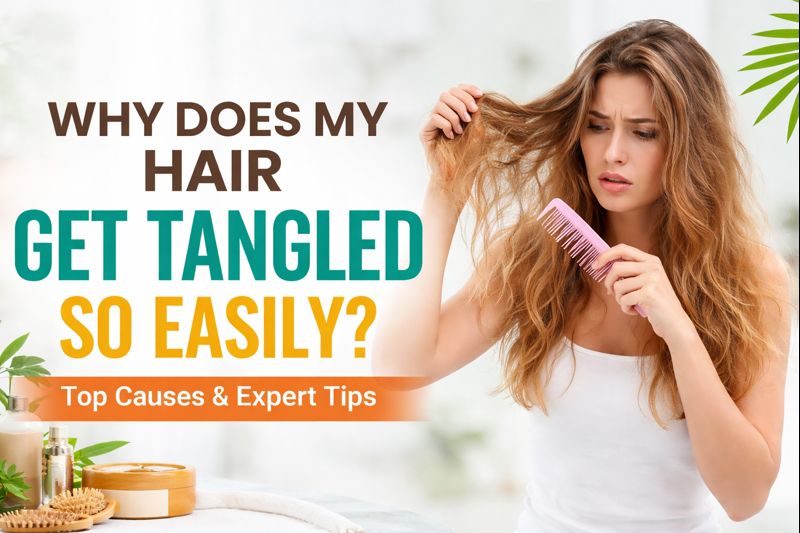
If you often find yourself asking, why does my hair get tangled so easily?, you are not alone. Hair tangling is a common problem that affects people of all hair types, from straight to curly. Knots can form quickly, making hair difficult to manage, painful to detangle, and more prone to breakage. In many cases, frequent tangling is a sign that your hair needs better care or protection from everyday damage.
Hair becomes tangled when strands rub against each other and fail to glide smoothly. Factors such as dryness, split ends, hair texture, and daily habits can all contribute to this issue. Environmental elements like wind, humidity, and hard water may also worsen the problem. Understanding the real reasons behind constant knots is the first step toward healthier, smoother hair.
In this guide, you will learn why hair tangles so easily, what causes it to happen repeatedly, and how simple changes in your routine can help reduce knots and breakage over time.
2. What Hair Tangling Really Means
To understand why does my hair get tangled so easily?, it helps to know what hair tangling actually is. Hair tangling happens when individual strands twist, overlap, and catch onto each other, forming knots. This usually occurs when the outer layer of the hair, known as the cuticle, is rough or lifted instead of smooth and flat.
Healthy hair strands have a smooth cuticle that allows them to slide past one another with minimal friction. When the cuticle is damaged due to dryness, heat, chemical treatments, or environmental stress, the strands begin to grip each other. This friction causes hair to knot more easily, especially during brushing, washing, or movement throughout the day.
If you keep wondering, why does my hair get tangled so easily?, the answer often lies in the condition of your hair’s surface rather than its length alone. Hair that lacks moisture or has split ends is more likely to tangle because uneven edges catch and wrap around neighboring strands. Over time, repeated tangling can lead to breakage, thinning, and increased hair damage if not addressed properly.
3. Main Reasons Why My Hair Gets Tangled So Easily
If you constantly ask yourself, why does my hair get tangled so easily?, the cause is usually a combination of hair condition, daily habits, and external factors. Tangling rarely happens for just one reason. Below are the main factors that make hair knot more often than normal.
Dry or Dehydrated Hair
One of the most common answers to why does my hair get tangled so easily? is dryness. When hair lacks moisture, the cuticle becomes rough, causing strands to catch onto each other instead of sliding smoothly. Dry hair is especially prone to knots after washing or exposure to wind and heat.
Damaged Cuticle and Split Ends
Hair damage from heat styling, chemical treatments, or excessive brushing weakens the outer layer of the hair. Split ends create uneven edges that easily hook onto nearby strands, leading to frequent tangling and breakage.
Hair Texture and Natural Structure
Some hair types tangle more easily than others. Fine, curly, or textured hair has more bends and twists, which increases friction between strands. This natural structure is a key reason many people wonder why their hair tangles even when it seems healthy.
Improper Washing and Drying Habits
Rough towel drying, skipping conditioner, or washing hair too often can strip natural oils. These habits increase friction and make hair more likely to knot, especially when wet, which is when hair is most fragile.
Environmental and Lifestyle Factors
Wind, humidity, hard water, and daily movement all contribute to tangling. Hair rubbing against clothing, pillows, or accessories throughout the day can worsen knots, particularly if the hair is already dry or damaged.
4. How Hair Type Affects Tangling
Many people ask, why does my hair get tangled so easily?, and a big part of the answer lies in hair type. Your natural hair texture—whether straight, wavy, curly, or coily—plays a major role in how easily your strands knot and tangle.
Straight Hair
Straight hair generally tangles less than other hair types because the strands lie flat and glide past each other easily. However, fine straight hair can still tangle if it is dry or has split ends, especially at the ends.
Wavy Hair
Wavy hair has natural bends that can catch on neighboring strands, making it moderately prone to tangling. People with wavy hair often notice knots forming after washing or when exposed to wind and humidity.
Curly Hair
Curly hair tangles more easily due to its spiral structure. The twists and turns increase friction between strands, which can create knots even without much movement. Moisture and proper detangling techniques are essential for managing curly hair.
Coily/Kinky Hair
Coily or kinky hair is the most prone to tangling. Its tightly packed curls naturally intertwine, making knots very common. Without proper moisture and gentle care, coily hair can become extremely difficult to comb through, which often leads to breakage.
Understanding how your hair type affects tangling helps answer the question, why does my hair get tangled so easily? By recognizing the natural tendencies of your hair, you can adjust your care routine to minimize knots and maintain healthier, smoother strands.
5. The Role of Hair Texture and Porosity
If you often wonder, why does my hair get tangled so easily?, your hair’s texture and porosity may hold the answer. Both factors affect how hair interacts with moisture, friction, and other strands, which directly influences tangling.
Hair Texture
Hair texture refers to the thickness and curl pattern of each strand. Fine or thin hair tends to tangle less because strands are smooth and lightweight, but it can still knot when damaged or dry. Thick or coarse hair has more volume and rougher cuticles, which can increase friction and make tangling more likely. Curly and coily textures naturally intertwine, so they are prone to knots if not properly detangled.
Hair Porosity
Hair porosity refers to the ability of your hair to take in and hold onto moisture. Low-porosity hair has tightly closed cuticles, which makes it resistant to water and product absorption. This can cause dryness on the surface, leading to tangles. High-porosity hair has raised or damaged cuticles that easily absorb water but also lose moisture quickly, making strands rough and knot-prone. Medium-porosity hair is generally easier to manage and less likely to tangle.
Understanding your hair’s texture and porosity is essential to answering why does my hair get tangled so easily? Once you know these factors, you can choose the right products, conditioning methods, and detangling techniques to keep your hair smooth, healthy, and knot-free.
6. Damage-Related Causes
A major reason people ask, why does my hair get tangled so easily?, is hair damage. Damaged hair is more prone to knots and breakage because the cuticle—the protective outer layer of each strand—is weakened or lifted.
Split Ends
Split ends create uneven edges on the hair shaft, which easily catch onto neighboring strands. Over time, these small knots can travel up the hair, making tangling worse.
Heat Damage
Frequent use of flat irons, curling wands, and blow dryers can strip hair of moisture and weaken its structure. Heat-damaged hair becomes rough and brittle, increasing friction between strands and leading to tangles.
Chemical Treatments
Bleaching, coloring, perming, or relaxing hair alters its natural structure. These processes can lift or crack the cuticle, leaving strands rough and more likely to tangle.
Mechanical Damage
Brushing too aggressively, using the wrong type of comb, or tying hair tightly can cause physical stress on the strands. This results in breakage, frizz, and frequent tangling.
Damage weakens hair from the inside and roughens the surface, which is why many people repeatedly ask, why does my hair get tangled so easily? Proper care, gentle handling, and regular trimming can help reduce damage and make hair easier to manage.
7. Daily Habits That Make Hair Tangle More
If you keep asking, why does my hair get tangled so easily?, your everyday habits may be partly to blame. Certain routines and careless handling can increase friction, dryness, and knot formation, making hair harder to manage over time.
Skipping Conditioner or Leave-In Treatments
Not using conditioner or a leave-in product after washing leaves hair dry and rough. Dry strands are more likely to rub against each other, causing tangles.
Brushing or Combing Hair Aggressively
Brushing hair too quickly, especially when wet, can pull and stretch strands, creating knots and breakage. Using the wrong type of brush can also worsen tangling.
Sleeping Without Hair Protection
Sleeping on rough pillowcases or leaving hair loose at night can cause friction and tangling. Hair moves and rubs against fabric while you sleep, leading to knots in the morning.
Tying Hair Too Tightly
Constantly wearing tight ponytails, buns, or braids puts stress on hair strands and encourages tangling, especially near the roots and ends.
Not Detangling Regularly
Allowing hair to stay knotted for long periods increases friction and breakage. Skipping gentle detangling sessions can make tangling worse over time.
By addressing these daily habits, you can better understand why does my hair get tangled so easily? and take practical steps to prevent knots, maintain smooth hair, and reduce breakage.
8. Environmental Factors
Many people wonder, why does my hair get tangled so easily?, and often the environment plays a bigger role than we realize. Weather, water quality, and daily exposure to external elements can all affect hair’s smoothness and knotting tendencies.
Wind and Friction
Wind causes hair strands to rub against each other and become intertwined. Even a gentle breeze can create small tangles, which grow larger if not addressed promptly.
Humidity and Moisture
High humidity causes hair to swell and the cuticle to lift, increasing friction between strands. This is especially common in curly or wavy hair, which tangles more easily when exposed to moisture in the air.
Hard Water
Hard water contains high levels of minerals like calcium and magnesium, which can leave hair rough and dry. Mineral buildup prevents hair from gliding smoothly, making tangles more frequent.
Pollution and Dust
Daily exposure to dust, smoke, and environmental pollutants can coat hair strands, increasing friction and knotting. Over time, this can also make hair look dull and lifeless.
Understanding these environmental factors helps answer why does my hair get tangled so easily? By taking simple protective measures, such as using a gentle conditioner, detangling regularly, or covering hair in harsh conditions, you can minimize tangling and keep your hair smoother.
9. Washing and Drying Mistakes That Cause Knots
If you often ask, why does my hair get tangled so easily?, the way you wash and dry your hair could be a major reason. Certain common mistakes during hair cleansing and drying create friction, damage, and tangles, especially on fragile strands.
Using Hot Water
Washing hair with very hot water can strip natural oils, leaving hair dry and rough. Dry strands are more likely to catch on each other, which leads to tangling.
Skipping Conditioner
Conditioner helps smooth the hair cuticle and provides slip between strands. Skipping this step leaves hair more prone to friction and knots.
Rough Towel Drying
Vigorously rubbing hair with a towel can damage the cuticle and create tangles. Hair is most fragile when wet, so gentle patting or using a microfiber towel is ideal.
Brushing Wet Hair Aggressively
Wet hair is weaker and stretches easily. Brushing it harshly can cause knots to tighten and increase breakage. Using a wide-tooth comb and starting from the ends is recommended.
Over-Washing
Washing hair too frequently removes natural oils, causing dryness and making strands prone to tangling. Adjusting your wash routine based on your hair type can reduce knots.
By correcting these washing and drying mistakes, you can better understand why does my hair get tangled so easily? and keep your hair smoother, healthier, and more manageable.
For more simple and natural ways to keep your strands smooth, you can explore detailed hair care guides on BestCutAndCare.com that focus on moisture, protection, and damage prevention.
10. How to Prevent Hair from Tangling Easily
If you’ve ever asked, why does my hair get tangled so easily?, the good news is that there are simple steps you can take to prevent knots and keep your hair smooth and manageable.
Keep Hair Moisturized
Dry hair tangles more easily, so maintaining moisture is key. Use a nourishing conditioner after every wash and consider a lightweight leave-in treatment to help strands glide past each other.
Use the Right Detangling Tools
Wide-tooth combs or detangling brushes are ideal for preventing knots. Start combing from the ends and work your way up gently to avoid pulling or breakage.
Protect Hair While Sleeping
Cover your hair with a silk or satin pillowcase, or tie it loosely in a braid or bun at night. This reduces friction against fabrics, which minimizes tangles while you sleep.
Avoid Excessive Heat and Chemicals
Frequent heat styling and chemical treatments weaken the hair cuticle, increasing the chance of knots. Limit these practices and always use a heat protectant when styling.
Be Gentle with Daily Care
Avoid brushing aggressively, especially when hair is wet. Tie hair loosely when necessary and handle it gently during styling to prevent tangling.
Consider Environmental Protection
Shield hair from wind, sun, and pollution whenever possible. Wearing a scarf or hat and using protective serums can help reduce environmental tangling.
By following these tips, you can answer why does my hair get tangled so easily? and take effective steps to reduce knots, breakage, and frustration while keeping your hair healthy and smooth.
To learn more practical tips for managing dry and frizzy hair, check out the helpful articles available on BestCutAndCare.com.
11. Best Hair Care Practices for Tangle-Prone Hair
If you often wonder, why does my hair get tangled so easily?, the key lies in following the right hair care habits. Hair that knots easily needs gentle treatment, adequate moisture, and protective routines to stay smooth and manageable.
Moisturize Regularly
Incorporate a deep conditioning treatment or hair mask into your routine at least once a week. This helps restore hydration, smooth the hair cuticle, and reduce friction between strands, making detangling much easier.
Detangle with Care
Use a wide-tooth comb or a detangling brush, starting from the ends and slowly working up to the roots. Avoid pulling or tugging, as rough handling can increase tangling and cause breakage.
Trim Split Ends Frequently
Trimming split ends prevents them from traveling up the hair shaft. Healthy ends allow strands to slide past each other smoothly, which lowers the chance of knots forming.
Shield Hair from Environmental Stress
Protect your hair from harsh weather, pollution, and sun exposure. After swimming in chlorinated or hard water, rinse thoroughly. Loose braids or buns can also help reduce tangling caused by friction throughout the day.
Limit Heat and Chemical Treatments
Excessive heat styling or chemical processing weakens hair and roughens the cuticle. When using heat tools, always apply a protective product to minimize damage.
Apply Lightweight Oils or Serums
A small amount of nourishing oil or serum can smooth the hair surface, reduce friction, and prevent strands from catching on each other, keeping knots at bay.
By adopting these care practices, you can finally answer the question, why does my hair get tangled so easily? With consistent attention, your hair will become softer, healthier, and far easier to manage.
Conclusion
Understanding why does my hair get tangled so easily? is the first step toward healthier, smoother, and more manageable hair. Tangling is rarely caused by a single factor—it often results from a combination of hair type, texture, damage, daily habits, and environmental influences.
By identifying the root causes, adopting gentle hair care routines, keeping hair moisturized, and protecting it from friction and environmental stress, you can significantly reduce knots and breakage. Regular conditioning, careful detangling, and minimizing heat or chemical damage are essential for tangle-prone hair.
With consistent care and simple preventive measures, tangling can be minimized, allowing your hair to stay soft, smooth, and easier to style. Remember, healthy hair is less likely to knot, so treating it with attention and care is the most effective solution to the problem.
FAQs.
1. Why does my hair get tangled so easily?
Hair tangling happens when strands rub against each other and the cuticle is rough or damaged. Factors like dryness, split ends, hair texture, and daily habits all contribute to frequent knots.
2. Does hair type affect how easily it tangles?
Yes. Curly and coily hair types naturally tangle more due to their twists and bends, while straight hair tangles less. Fine, damaged, or porous hair can also knot easily regardless of texture.
3. Can washing or drying habits make hair tangle?
Absolutely. Using hot water, skipping conditioner, rough towel-drying, or brushing hair aggressively while wet can all increase tangling. Gentle care and proper routines reduce knots.
4. How does hair damage lead to tangling?
Damage like split ends, heat exposure, or chemical treatments roughens the hair cuticle. Rough strands catch on each other, causing tangles and breakage over time.
5. What can I do to prevent my hair from tangling easily?
Keeping hair moisturized, using wide-tooth combs, protecting hair while sleeping, minimizing heat and chemical treatments, and applying light oils or serums are effective ways to reduce tangling.
6. Does environment play a role in hair tangling?
Yes. Wind, humidity, hard water, and pollution can increase friction between strands and make hair knot more easily. Protecting hair and using moisturizing routines help prevent tangles.
Why does my hair get tangled so easily? If you’ve ever struggled with stubborn knots, frizz, or hair that seems impossible to comb, you’re not alone. Tangling can happen to any hair type and is often caused by a combination of dryness, damage, hair texture, and daily habits. In this ultimate guide, we’ll explore the main reasons behind tangling and share practical tips to keep your hair smooth, healthy, and effortlessly manageable.